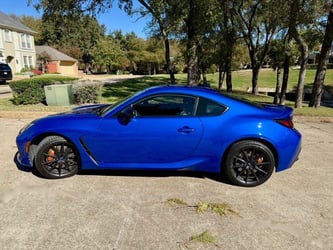
Understanding Your Car's Inner Voice: Signs Your Vehicle is Trying to Communicate
Every car has its own unique set of sounds and signals that can indicate when something is amiss. Understanding your car's inner voice is crucial for maintaining its health and safety. If you hear a persistent grinding noise when braking, it could mean that your brake pads are worn and need replacing. Similarly, if you notice a hissing sound when the engine is running, this could indicate a coolant leak, which can lead to overheating. Paying close attention to these signs can save you from costly repairs down the road.
Your vehicle may also communicate through warning lights on the dashboard. For instance, a check engine light can mean a variety of issues, from a loose gas cap to more serious engine problems. Ignoring these warnings can have serious consequences, so it's essential to respond promptly. In addition to sounds and dashboard alerts, you might notice changes in performance, such as pulling to one side or difficulty starting. Recognizing these signs is the first step in fostering a better relationship with your car and ensuring its longevity.
How to Decode Your Car's Warning Signals: A Guide for Drivers
Understanding your vehicle's warning signals is crucial for maintaining its health and ensuring your safety on the road. At the heart of these signals are warning lights, which illuminate on your dashboard to alert you to potential issues. Common indicators include the check engine light, which can signify a range of problems from minor to serious, and the oil pressure light, indicating that your engine may not be receiving adequate lubrication. Addressing these signals promptly can save you from costly repairs and keep your car running smoothly.
When you see a warning light, it's essential to respond appropriately. Here’s a simple step-by-step guide on how to decode these signals:
- Refer to your owner’s manual: This manual usually contains descriptions of all warning lights specific to your vehicle model.
- Observe the color: Red lights typically signify urgent issues that require immediate attention, while yellow or orange lights may indicate caution and prompt investigation.
- Consult a professional: If you're unsure about the meaning of a warning light or the issue persists, it's always wise to take your car to a certified mechanic for a thorough diagnosis.
Is Your Car Whispering Secrets? Common Sounds and What They Mean
Did you know that your car can communicate vital information through the sounds it makes? These common sounds can act like a whisper, revealing secrets about your vehicle's health and performance. For instance, if you hear a high-pitched squeak when you apply the brakes, it might be time to check your brake pads. Similarly, a grinding sound could indicate that the pads are worn down, leading to more severe damage if neglected. It's crucial to be attentive to these noises, as they can prevent costly repairs down the line.
Another sound to be wary of is a popping or clicking noise, which often signifies an issue with the CV joints, especially if you hear it while turning. Additionally, a hissing sound could mean that coolant is leaking, posing a risk of overheating. To better understand these sounds, keep a mental checklist of common car noises and their implications:
- Squeaking: Brake pads need replacement.
- Grinding: Worn down brake pads.
- Popping: Possible CV joint issues.
- Hissing: Coolant leak.
By being proactive and addressing these whispers, you can ensure a smoother and safer driving experience.