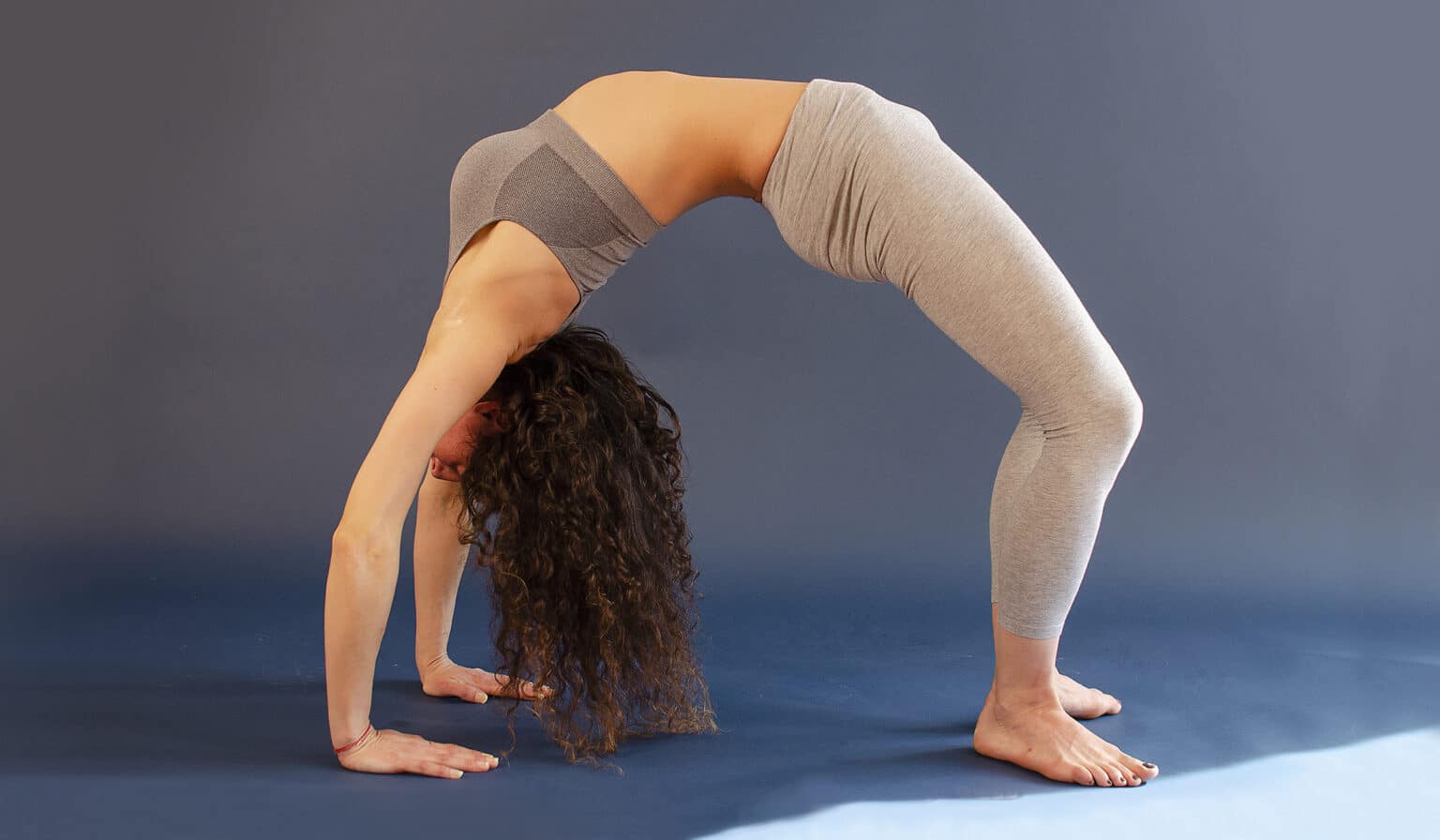
5 Essential Yoga Poses to Enhance Flexibility and Strength
Incorporating yoga into your fitness routine not only improves your flexibility but also enhances your overall strength. Here are 5 essential yoga poses you can practice to achieve these benefits:
- Downward-Facing Dog - This pose stretches the hamstrings and calves while building strength in the shoulders and upper back.
- Warrior II - This pose enhances leg strength and stability, promoting focus and endurance.
- Pigeon Pose - This sequence improves hip flexibility and opens the groin area, which is crucial for overall balance and strength.
- Cobra Pose - This pose is excellent for spinal flexibility and helps strengthen the back muscles.
- Bridge Pose - This pose not only improves flexibility in the spine but also enhances glute strength, vital for many activities.
As you delve into these poses, it’s essential to practice them safely and consistently. For detailed guidance on how to perform each pose correctly, you can refer to resources such as Yoga Journal and Headspace. Remember to listen to your body, and with patience and persistence, you will see significant improvements in both your flexibility and strength.
The Mental and Physical Benefits of a Regular Yoga Practice
Regular yoga practice provides a myriad of mental benefits that go beyond mere relaxation. Engaging in yoga can significantly reduce stress and anxiety levels, thanks to its focus on breathing and mindfulness techniques. Research has shown that participants who practice yoga regularly report lower levels of perceived stress and improved mood. According to a study published in Psychosomatic Medicine, incorporating yoga into one's routine can lead to decreased cortisol levels, promoting an overall sense of well-being.
In addition to the mental advantages, yoga provides substantial physical benefits that enhance overall health and fitness. Practicing yoga improves flexibility, strength, and balance while also promoting better posture. A comprehensive meta-analysis published in the journal Complementary Therapies in Medicine found that participants who practiced yoga experienced significant improvements in physical performance and stability. Furthermore, yoga has been associated with benefits such as increased lung capacity, enhanced circulation, and reduced chronic pain, making it a holistic approach to health.
How to Cultivate Mindfulness Through Yoga: Tips and Techniques
Mindfulness is a powerful practice that enhances our daily lives, and yoga serves as an excellent medium to cultivate this state of awareness. One effective way to begin your journey is by incorporating breathwork into your routine. Start your yoga session with a few minutes of deep breathing exercises, where you focus on inhaling and exhaling fully. This practice connects you with your body and encourages you to remain present. For guidance on breathwork, consider checking out resources like Yoga Journal. Additionally, try to establish a consistent practice schedule, as regularity can significantly enhance your ability to remain mindful both on and off the mat.
Another way to deepen your mindfulness through yoga is by incorporating meditation. Post-yoga, spend a few minutes in silence, focusing on your breath or silently repeating a mantra. This enhances mental clarity and helps you maintain that serene state beyond your practice. To explore various meditation techniques, visit Meditation in Motion. Finally, consider journaling your thoughts after each session. Write down how you feel physically, mentally, and emotionally. Not only does this reinforce your self-awareness, but it also tracks your progress in fostering mindfulness through yoga.